Why excess candy inventory builds up
Candy is bought in advance and sold on a calendar. A forecast that is off by even ten percent can leave pallets behind, and that is before a canceled order, a lost account or a warm summer gets involved.
Common causes include:
- Seasonal items that did not sell through by the holiday
- Minimum order quantities that force you to buy more than you need
- A retailer that canceled or reduced a standing order
- New product launches that underperformed
- Returns and refused deliveries
Whatever the reason, excess candy inventory follows the same clock. The shorter the shelf life, the fewer buyers you have, so the first decision is how soon to act.
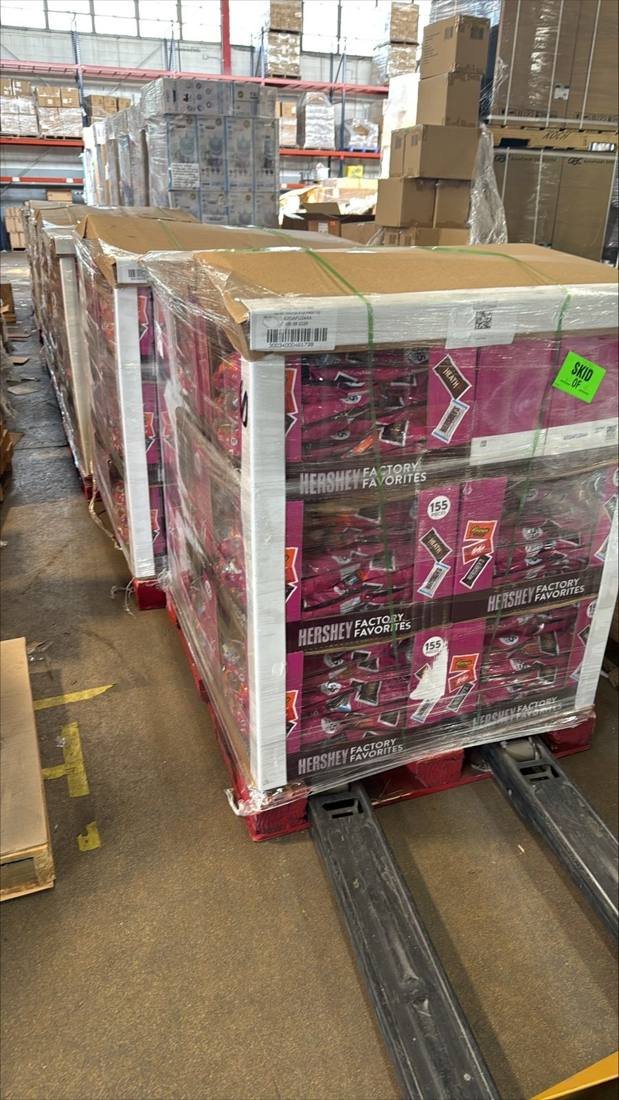
7 ways to sell excess candy inventory fast
1. Sell to a direct liquidation buyer
A direct buyer purchases the whole lot, sets a price in writing and handles pickup. It is the fastest route because nobody has to list, photograph or ship anything. Learn how candy liquidation works, or request a free offer.
2. Offer it to your regular customers first
A short email with a clear discount often moves a few cases. This works best for small quantities, and it keeps your pricing relationships intact.
3. Bundle it with fast sellers
Pair slow items with a best-seller at a combined price. You lower the margin on both, but the slow pallet leaves your building.
4. List it on a wholesale marketplace
Closeout marketplaces reach many buyers, but you pay fees, wait for bids and often handle shipping yourself.
5. Work with a closeout broker
Brokers match your stock to buyers for a commission. That can be fine for big or unusual loads, though the timeline is less certain.
6. Donate what will not sell
Food banks and charities accept some candy. Donation rules vary, so confirm with the organization and keep paperwork for your records.
7. Run a promotion at your own location
If you run a store or route, a front-of-store display with a clear sign can clear a surprising amount of product in a few weeks.
What excess candy inventory really costs you
The price you paid is only part of the loss. Excess candy inventory quietly drains money in ways that rarely show up on a single line of your books.
- Space. Every pallet position has a monthly cost, whether you rent a warehouse or use your own floor.
- Cash. Money tied up in slow product cannot fund the next purchase, a new hire or a better deal.
- Labor. Staff move, count, rotate and re-stack pallets that are not generating revenue.
- Risk. Heat, pests, damage and expiration can turn a recoverable pallet into a write-off.
- Attention. Time spent managing a problem pile is time not spent selling.
Add those up over a quarter and a pallet that looked like a modest loss can become a large one. That is why most experienced operators decide quickly. They take a fair price now, free the space, and put the cash back to work.
A good rule of thumb is to compare two numbers: the offer you can get today, and your best guess of what the lot will fetch in sixty days after storage, labor and a smaller buyer pool. In most cases, the first number wins.
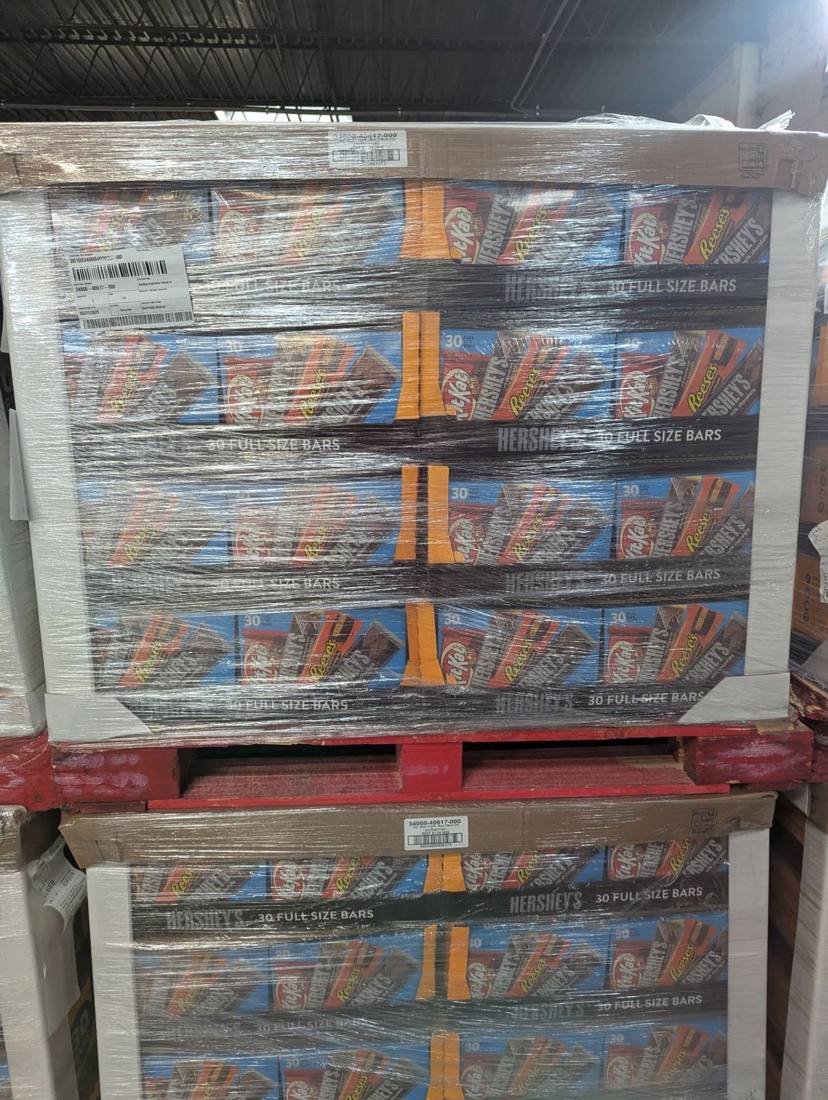
A checklist before you sell
Whichever route you pick for your excess candy inventory, a few minutes of preparation gets you a better offer and a smoother pickup.
- Count the cases on each pallet and write down the total.
- Photograph the label and the date code for every product.
- Check for crushed, wet or torn cartons and separate them.
- Confirm who owns the product and whether any brand restricts resale.
- Decide the pickup window and whether you have a dock or a forklift.
- Ask each buyer who pays for freight, and compare the final totals.
Selling in the Midwest? Browse our state and city pages to see how pickup works near you.
Comparing your options
Speed, effort and price trade off against each other. This table shows how each route for excess candy inventory compares for a typical pallet-size lot.
| Option | Speed | Your effort | Fees |
|---|---|---|---|
| Direct buyer | 1 to 5 days | Low | None |
| Regular customers | 1 to 3 weeks | Medium | None |
| Marketplace | 1 to 6 weeks | High | Listing and sales fees |
| Broker | 2 to 8 weeks | Low | Commission |
| Donation | Varies | Medium | None, no payment |
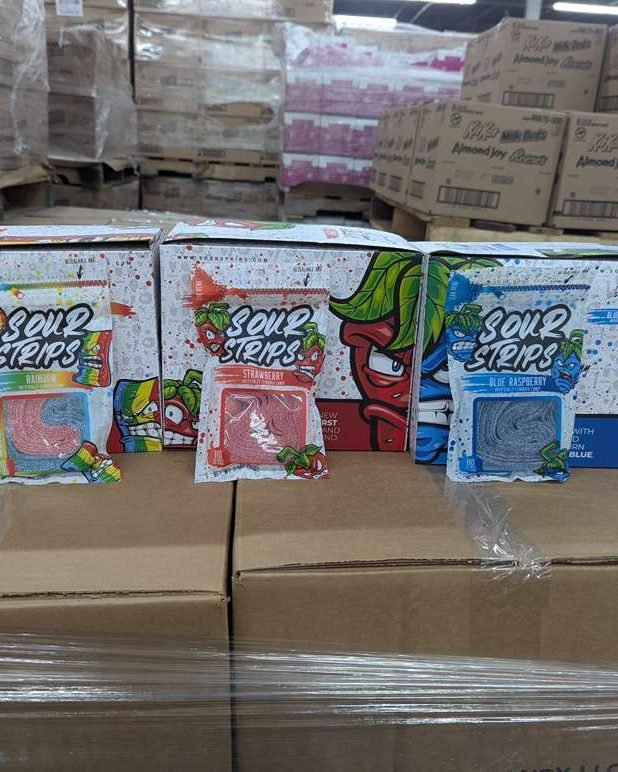
Timing: how fast value falls
Most sellers underestimate how quickly the options for excess candy inventory narrow. Retailers often refuse product with less than 90 to 120 days left, so the day your stock crosses that line, much of the market disappears.
A simple rule helps. If you will not sell through at your normal pace in the next 30 days, start collecting offers now. If your product is already near its date, read our guide to selling short-dated candy.
The USDA's food product dating guidance is worth a read. It explains that most printed dates signal peak quality, not a safety cutoff, which is why buyers still pay for product before the date passes.
Excess candy inventory by type: what to do with each
Not all surplus behaves the same way. The right move depends on what the candy is made of and how it was packed.
Chocolate
Chocolate is the most heat-sensitive, so sell it first and store it cool. A buyer will pay more for chocolate that has never been in a hot trailer, which makes quick action even more valuable.
Gummies and chewy candy
Gummies hold up well but can harden or stick together with age. They are popular with discount buyers, so a pallet usually finds a home fast.
Hard candy, mints and gum
These last longest on the shelf. If you are holding this category, you have more time, but a steady buyer still turns it into cash sooner than waiting.
Seasonal candy
Seasonal items are where excess candy inventory is most common. Value drops sharply the week after the holiday, so call early, ideally before the holiday itself.
Mixed lots of excess candy inventory are fine. Send the whole list and let the buyer sort it out, since a single offer is simpler than four separate sales.
How to prevent excess candy inventory
You will never remove excess candy inventory completely, but a few habits keep it small.
- Track dates, not just counts. Know what expires in each month, and review it monthly.
- Rotate first in, first out. Label pallets with the receive date so older stock ships first.
- Set a trigger. Decide in advance that anything under 150 days gets marked down or offered to a buyer.
- Order seasonal items in smaller waves. Reorder if it sells, rather than betting on one big buy.
- Keep one buyer on speed dial. Having a trusted place to call turns a problem into a routine task.
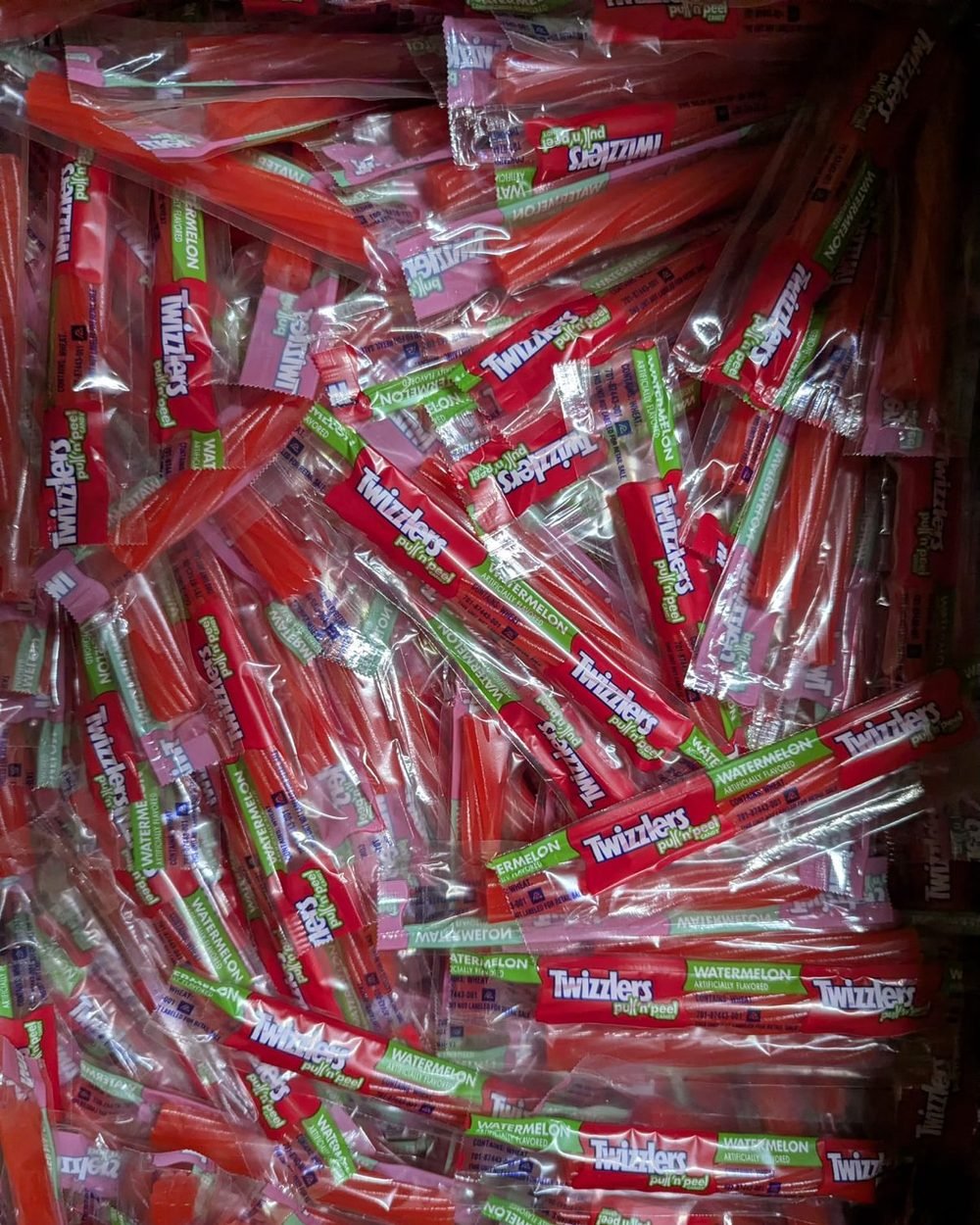
Overstock candy FAQ
What is the fastest way to get rid of extra candy?
Selling the whole lot to a direct buyer. You send a list, receive a written price and schedule pickup, often within a week.
How much is overstock candy worth?
It depends on brand, days left, quantity and location. Expect a discount to wholesale price, larger as the date nears.
Can I sell candy that is close to its best-by date?
Yes, to buyers who serve discount channels. We buy candy with 90 or more days left.
Do I have to pay for shipping?
Not with us. We arrange and pay for freight, and the cost is included in your offer.
What if my pallets are mixed or partly damaged?
Mixed pallets are fine. Separate any crushed, wet or opened cartons and tell us about them in the form. Damaged cases are usually left out of the price rather than cancelling the whole sale.
How do I get paid, and how quickly?
Payment is by wire, ACH or Zelle, and it is sent after the truck is loaded and the count is confirmed. Most sellers see funds within one or two business days.
Is there any obligation when I ask for an offer?
No. The offer is free and you can say no. We only ask for honest details, so the price we send is the price we pay.
What is the smallest lot you will consider?
One pallet. If you have less than that, your best bet is a local customer, a promotion or a donation.
Ready to clear the shelf?
Send your list. Written offer in 24 hours.